
Everyone becomes more susceptible to high blood pressure over time, with older adults most at risk. But what causes high blood pressure in the elderly, and what can be done to manage it? In this article, we will cover why the condition develops, the problems it can cause and how to reduce high blood pressure for the elderly.
What Causes High Blood Pressure in the Elderly?
High blood pressure occurs when your blood pressure is always high. While a certain amount of pressure is needed to move blood around your body, naturally fluctuating throughout the day and night, sustained high blood pressure can cause physical harm over time. Also called hypertension, this condition is fairly common in older adults, but you are more likely to experience high blood pressure if you:
- Have a family history of high blood pressure
- Have a Black African, Black Caribbean or South Asian ethnic background
- Smoke
- Drink too much alcohol
- Eat too much salt
- Are overweight
- Are chronically stressed
High blood pressure is also a symptom of some health conditions, including kidney disease and diabetes, and can be a side effect of some medicines.
What Are the Risks of High Blood Pressure?
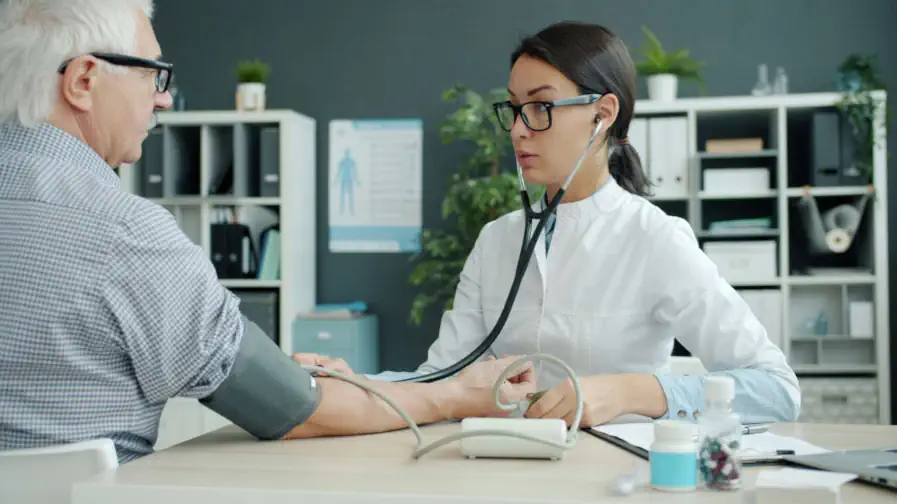
Many people are unaware that they have high blood pressure until they are checked by a healthcare professional, such as a doctor, nurse or pharmacist. This involves inflating a band around your upper arm and measuring the pressure in your blood vessels. When left unchecked and untreated, the condition can lead to serious blood pressure health risks, including:
Heart disease
High blood pressure forces the heart to work harder, weakening the muscle over time. This strain, combined with damaged or blocked arteries and reduced blood flow, can cause coronary heart disease. Associated symptoms include chest pain, breathlessness, nausea and pain in the neck, shoulders, jaw or arms.
Strokes
Interrupted blood flow to the brain commonly results in a stroke, which is life-threatening and hard to recover from. If you or someone else suddenly starts to experience face weakness (drooping on one side), arm weakness (inability to keep one or both held up) or speech problems (slurring or sounding confused), it’s time to call 999. When you spot these symptoms, remember to think FAST (face, arms, speech, time).
Aortic aneurysm
The aorta is the largest artery in the body, extending from the heart to the abdomen. High blood pressure may cause the aorta to swell and then rupture, which requires emergency hospitalisation. An aortic aneurysm can be avoided by undergoing surgery on the swollen artery or taking medicine to lower blood pressure and cholesterol.
Vascular dementia
By damaging blood vessels in the brain, high blood pressure reduces oxygen flow and destroys brain tissue, leading to cognitive decline over time. People with vascular dementia can experience difficulty understanding, concentrating, remembering and balancing, which may require specialist dementia care to manage comfortably at home.
How to Reduce High Blood Pressure for the Elderly
Healthy lifestyle changes can help to lower your blood pressure, reducing your risk of heart disease, stroke, aortic aneurysm and vascular dementia. No matter your age, there are several ways to combat high blood pressure and live healthier in general. Here is how to reduce high blood pressure for the elderly:
Healthy diet
While a balanced diet has many health benefits, reducing your salt intake is particularly helpful for lowering your risk of high blood pressure. This is because sodium naturally causes your body to retain more fluid, increasing your blood volume. By cutting back on sodium-rich foods and eating more potassium, magnesium and fibre, which help relax your blood vessels, you can more easily avoid blood pressure health risks.
Regular exercise
Exercise also combats high blood pressure risks by strengthening your heart. Even gentle activity, such as walking, swimming or gardening, allows your heart to pump blood more efficiently and reduces pressure on your arteries. Movement also lowers stress hormone levels and contributes to weight loss, which can help you live healthier with a lower risk of high blood pressure.
Medication
You may be prescribed medication if your blood pressure is very high, remains high despite healthy lifestyle changes, or you are at higher risk of problems linked to high blood pressure. Most blood pressure medicines are taken as tablets at least once per day and work by relaxing your blood vessels, reducing your blood volume or slowing your heart rate. Your doctor or pharmacist will prescribe the best medicine for your specific case.
Home Care Support with Blood Pressure Health Risks
Blossom Home Care supports every aspect of our clients’ wellbeing so that they can continue to thrive in the comfort of their own homes with maximum independence. As part of our home health care service, our compassionate carers will nurture your physical health to reduce the risks of high blood pressure and other conditions. By encouraging you to eat well, move in ways that feel good, and keep up with medication, we can help you make healthy choices and continue to live life to the fullest.
For more information about our home care services, please contact your nearest Blossom office.