
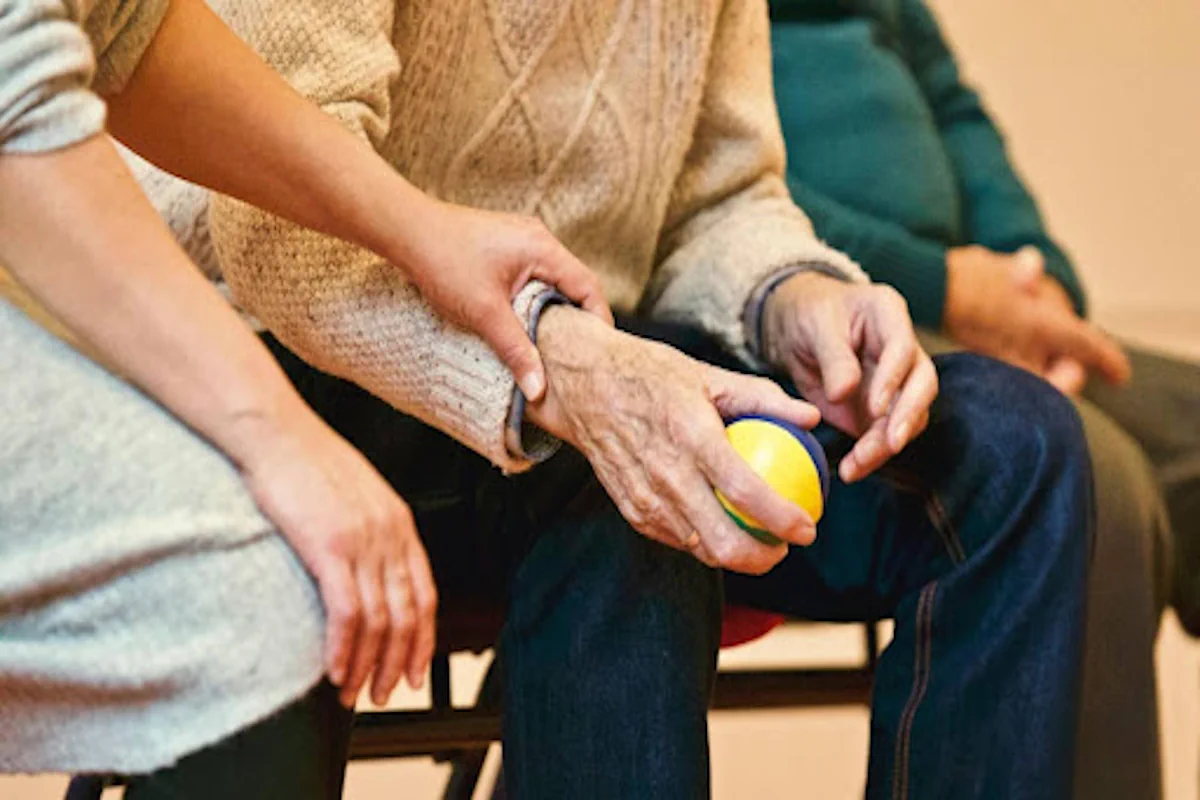
When someone close to you has a stroke, you may suddenly find yourself providing a whole new level of care, whether or not you’re prepared to do so. In these circumstances, it’s normal to have questions and feel many emotions at once. If you’re feeling adrift after a loved one has suffered a stroke, we’ve prepared ten ways you can support them, as well as suggestions for organisations that can help you both through this challenging time.
10 Ways to Support Someone After a Stroke
The amount of support someone needs depends on the severity of the stroke. In mild cases, if your loved one receives medical attention quickly, symptoms may resolve within hours. Major strokes, however, may leave them with long-term care needs surrounding physical rehabilitation, emotional wellbeing and cognitive changes. Whatever you’re facing, these ten tips can help you support someone with life after a stroke.
1. Arranging Needs Assessment
Arranging a needs assessment is one of the first things you should do once your loved one is confirmed to have suffered a stroke. Contact adult social services at your local council to request an assessment, which will provide more insight into how to support the stroke patient.
2. Adapting Their Home
Stroke victim support can include lifestyle changes and home alterations, such as installing handrails, non-slip bathroom mats and alarm cords. An occupational therapist will advise on adaptations to help your loved one get around without falling.
3. Managing Financial Affairs
If your loved one needs help with their affairs, you should consider how you could make financial decisions on their behalf. Solutions differ depending on whether you need temporary control (e.g. signing a third-party mandate with their bank) or long-term control (e.g. arranging a power of attorney).
4. Reviewing Medications
A doctor will have prescribed medication to help the patient recover and support life after their stroke. It’s important that you follow the dosage and timing instructions carefully, as your loved one may not be able to take their medication independently.
5. Maintaining a Healthy Lifestyle
As well as foods rich in nutrients and shown to benefit brain health (e.g. omega-3), it’s important to help your loved one get as much exercise as possible. Maintaining a health lifestyle should support all aspects of their wellbeing and recovery after their stroke.
6. Monitoring Physical Progress
While your loved one may regularly see a physiotherapist, especially if their stroke has left them disabled, you are best placed to monitor their physical progress as someone familiar with their physical health before the stroke. It helps to keep a record to share their progress with the medical staff.
7. Monitoring Mental Health
Likewise, as a close friend or relative, you are well-positioned to monitor their mental health and watch for signs of a dip in their outlook. Again, we recommend keeping a diary to track their mood over time and potentially refer back to.
8. Stroke Victim Support Groups
Sadly, it’s common for stroke victims to develop depression, which can affect their ability to recover. One way to prevent or address this is to seek support from stroke victim community groups, which can connect your loved one with others with similar experiences.
9. Stroke Caregiver Support Groups
There are also support groups for stroke caregivers, which offer a safe space to share your struggles and speak with people in a similar position. At this difficult time, it’s important to know that you’re not alone and that you’re entitled to breaks from your caring duties.
10. Seeking Home Stroke Carer Support
As much as you want to support your loved one to recover after their stroke, you may find yourself lacking the time or skills to serve as their full-time carer. With hospitals and alternate living options perhaps out of the question, and your relative’s emotional stability largely dependent on staying in a safe and familiar place, this is where home care comes in.
The prospect of leaving home and sacrificing independence for care is even scarier when someone is forced to move after a sudden stroke or other illness. Imagine how much more comfortable your loved one would feel if they could receive stroke care and support while still being able to sleep in their own bed, see their friends and spend time in their community.
Blossom Home Care is an award-winning home care provider with over 20 offices across the UK. Our friendly teams are committed to providing bloomin’ good care, helping clients live as independently as possible in the homes they love. All Blossom carers are fully trained and passionate about enabling clients to thrive, whichever type and level of care they require.
Choose Blossom Carers for Post-Stroke Support
We hope these ten tips help you feel more prepared to support someone after a stroke. If your loved one needs more care than you can give, though, please know that you don’t have to struggle alone. Our team can help you with supporting life after a stroke.
Blossom carers are experienced in handling complex cases and supporting clients with temporary or long-term home care. We’re proud to offer bespoke care plans that consider every aspect of our clients’ wellbeing and the role of multidisciplinary teams.
We recognise the toll strokes take on family members and friends, which is why Blossom carers are available to support you with your new responsibilities, whenever you need. To arrange home care for a loved one, please contact us today.