
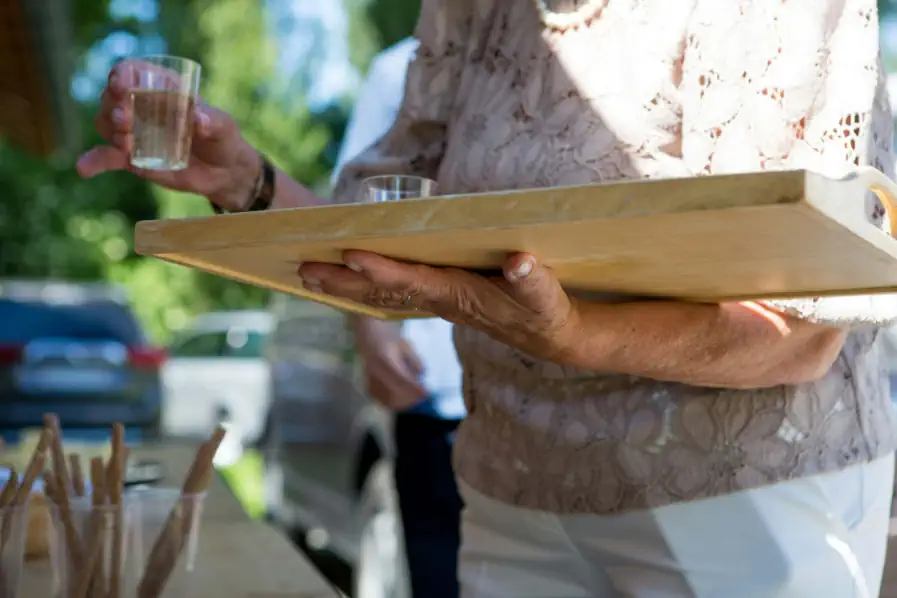
Your body needs water to work. Drinking enough water flushes out waste and toxins, aids digestion, moisturises skin, lubricates joints and eyes, and aids brain function. Thirst is often the first sign of dehydration and your body’s way of asking for water. As you age, however, your sense of thirst diminishes, and you may not realise that you are becoming dehydrated. Thankfully, there are several other symptoms and ways to avoid dehydration in the elderly. In this article, we explain what dehydration in the elderly is and how to spot it.
What Is Dehydration?
Dehydration occurs when your body loses more fluids than it takes in. You lose fluids constantly through natural processes — such as urination, sweating and breathing — which help to maintain your temperature and remove waste. It’s easier to become dehydrated if you are ill, have drunk alcohol, have diabetes or take medicine that makes you go to the toilet more. But you must replenish your fluids by drinking plenty of water every day; on average, this means six to eight glasses, or more when exercising.
Symptoms of Dehydration in the Elderly
When you’re older, you may not feel thirsty early enough to prevent dehydration, or you may forget to drink enough water after suffering a stroke or being diagnosed with dementia. Luckily, there are other effects of dehydration in the elderly that we can identify and address.
Dry mouth
Without water, your body struggles to produce enough saliva, which is 98% water.
Dry skin
Your skin’s moisture levels decline, resulting in a dry and flaky appearance.
Cracked lips
With their thick skin layer, lips are also highly sensitive to moisture loss.
Less frequent urination
If you do not drink enough water, your body has fewer fluids to expel.
Darker urine
Urine is darker when highly concentrated with waste products and toxins.
Dizziness
Dehydration in the elderly lowers blood pressure and oxygen delivery to the brain, causing dizziness.
Fatigue
Similarly, less oxygen due to dehydration can cause confusion and physical tiredness.
How to Avoid Dehydration in the Elderly
Avoiding dehydration in elderly people is not always as simple as remembering to drink enough water. Carers and family members should stay alert to the dangers of dehydration in the elderly to help keep loved ones as healthy and happy as possible.
Monitor fluid intake
Track how much water you drink per day and whether this equates to the recommended six to eight glasses. This doesn’t always need to be plain water; tea and fruit juice count, too.
Monitor urine colour and frequency
A healthy urine colour ranges from pale yellow to light amber, indicating proper hydration. Most people normally urinate four to eight times per day.
Monitor skin
Dry skin is an early sign of dehydration in the elderly. Check for a dull, tight or flaky appearance as an indication that you need to drink more water.
Check mental alertness
It’s possible to become dehydrated in a matter of hours. If you are experiencing unusual brain fog or exhaustion, you may need to increase your water intake.
Manage Dehydration in the Elderly with Blossom Home Carers
It’s vital to stay hydrated, especially for older people who feel less thirsty, but this task becomes much harder when you’re living alone or suffering from an illness such as a stroke or dementia. In these scenarios, you may need some extra support to stay healthy while maintaining your personal independence in the comfort of your own home.
At Blossom, we prioritise your physical, mental and emotional wellbeing above all else. Our compassionate private carers are trained to recognise the signs of dehydration in the elderly and can act quickly to prevent or address these symptoms, escalating issues to our offices and trusted relatives if necessary.
If you feel you or a loved one could benefit from home health care with Blossom, please get in touch with us today or find your nearest office using our simple online tool.