
Scams were once limited to door-to-door snake oil salesmen and ludicrous chain letters promising untold riches from far-off lands. However, the advent of the internet, smart devices and generative AI have opened the floodgates to much more sophisticated schemes. This has made life especially difficult for vulnerable and elderly adults, who are being targeted with scams designed to use their lack of technological understanding against them.
In this article, we will highlight some of the most common elderly scams currently being used by criminals, offering our advice on how to recognise a scam, strategies to protect the elderly from scams, and what to do when you discover your relative is being scammed.
Types of Elderly Scams
Scamming has become increasingly sophisticated in recent years, with scammers taking advantage of technological advancements to mimic trustworthy institutions and lure victims into a false sense of security. From pretending to be government agents over the phone to inventing false identities on the internet, scammers employ various strategies to extract sensitive information from their older and vulnerable victims.
Here are some of the most common ways that elderly people are being scammed:
Phone Scams
One of the most common scams targeted at the elderly is phone scams, which involve cold calling victims and claiming to represent familiar organisations or authorities in an attempt to trick them into disclosing personal information. Examples of elderly phone scams include:
- Bank scams – Posing as a member of the fraud department, scammers may contact elderly victims to inform them that their account has been compromised and that they need to provide their card details or PIN to secure their account.
- Police scams – Some scammers go one step further, pretending to be an undercover police officer investigating fraud at your local banking branch, similarly asking for your account details under the guise of checking its security.
- HMRC scams – These elderly phone scams typically involve the scammer informing their victim that they have an unpaid tax bill or are entitled to a tax refund, in either case, requesting their bank account details in order to complete the transaction.
- Council tax scams – Similar to HMRC scams, the victim is informed by the scammer that they have been underpaying their Council Tax or are being awarded a Council Tax rebate, and must help to correct the matter by providing their account details.
- Compensation scams – These elderly scams involve inventing an accident in which the victim has been involved and convincing them that they may be entitled to compensation.
- Pension scams – Sometimes scammers will offer lucrative pension plans or debt management schemes, asking their victim to share their bank details or unique identification numbers, such as their National Insurance Number, in an attempt to steal their identity.
- Sales scams – Many elderly people are scammed by individuals offering fake products and services, or convincing them to invest in fictitious business opportunities.
Online Scams
In the age of digital deepfakes, AI phishing emails and elaborate schemes involving multiple synthetic identities, it has become increasingly difficult for elderly people to recognise when they are getting scammed online. Examples of computer-based scams on the elderly include:
- Email scams – Much like many of the aforementioned phone scams, these schemes involve mimicking correspondence from trusted institutions in order to trick victims into clicking links to fake websites or downloading harmful files onto their devices.
- Social media scams – Some scammers use information taken from their victims’ social media profiles to threaten or manipulate them with personalised attacks. These can range from coming to their home when they know that they or their family are away on holiday, to threats of violence against children or grandchildren for failing to comply with certain demands.
- Fake websites – By creating webpages with identical layouts to official websites, such as online banking and government sites, scammers may trick their victims into inputting their account details or other sensitive information.
- Hackers and malware – These technological scams involve criminals taking control of their victims’ devices after installing viruses and malware, allowing them to search for any personal information. Some scammers may contact victims beforehand, claiming to work for a reputable software company that has recognised a fault with their device.
Romance Scams
Preying on the loneliness of vulnerable adults and appealing to their desire for companionship, some scammers lure elderly people into romance scams, forming intimate relationships with their victims in order to convince them to send money or share their personal details. These types of elderly scams are usually committed using:
- Fake social media accounts – Using stolen or AI-generated images, scammers create false identities on social media sites, such as Facebook, then befriend their victims to begin forming a connection. Some scams can involve multiple fake accounts, claiming to be friends and family members of the romantic interest, to increase the validity of their identity.
- Fake dating profiles – These elderly romance scams function in the same way, with criminals stealing or generating images to create appealing romantic partners for their victims. Their strategies often involve early declarations of love, known as ‘love bombing’, followed by withheld contact to manipulate their victims into meeting their demands.

Text Message (SMS) Scams
Combining the strategies employed in online and phone scams, this type of elderly scam involves cloning the contact details of familiar companies and institutions to trick victims into sharing sensitive information or downloading malware to their devices. Some examples of text message scams include:
- Phone contract scams – Posing as a large phone network, scammers will contact their victims to offer them discounted phone contracts or invite them to enter prize draws by sharing their bank details or clicking links embedded in the text message.
- Fake links – Much like email phishing scams, text messages from scammers can include fake links that install viruses or malware onto their device, providing remote access to their digital banking apps and any stored passwords.
Postal Scams
As the convenience of online shopping and home deliveries becomes increasingly popular among older adults with mobility issues and disabilities, scammers are developing new schemes to target unsuspecting victims. Some examples of postal scams include:
- Amazon and delivery scams – Posing as couriers for delivery companies, such as Amazon or Royal Mail, scammers post ‘Sorry we missed you’ notices through the doors of their elderly victims, requesting callbacks using fake numbers to query their non-existent missing packages.
- Utility scams – Similar to HMRC scams, letters mimicking the layout of correspondence from utility companies are posted to victims, informing them that they are behind on their payments and in danger of their electricity, gas or water being cut off.
How to Spot an Elderly Scam
While scammers employ many sophisticated techniques to convince and confuse their elderly victims, there are several signs and behaviours that indicate when an elderly person is being scammed. These include:
Asking for personal information
Banks, local councils and other government agencies will never contact you without warning to ask for sensitive information, such as account details or your National Insurance number. If your elderly parent receives calls or messages asking for such information, this is a clear indicator that they are being scammed.
Unable to verify identity
Whether they are pretending to be a bank clerk, government employee or an older adult looking for love, scammers invent all manner of false identities in an attempt to scam their elderly victims. If the person talking to your relative is unable to provide evidence of their identity, it is safe to assume they are pretending to be someone they are not.
Applying pressure to act urgently
Many elderly phone scams involve creating a sense of urgency, leading the victim to believe that unless they act quickly, they may lose their savings or pensions or face large fines. This can be very distressing for vulnerable adults, especially those with cognitive disorders like dementia, making them more likely to comply with the scammer in the hope of resolving the perceived issue.
Multiple harassing messages
After an elderly person has been scammed once, the scammer may begin to contact them throughout the day, using aggressive or threatening language in an attempt to get more money or personal information from them. If you notice multiple calls from unknown numbers on your relative’s mobile, this could be a sign that they are being harassed by scammers.
How to Protect an Elderly Relative from Scams
From screening potential scam calls to downloading antivirus software on their devices, there are many ways that you can protect your elderly relative from potential scams. These include:
Say no to suspicious calls
By informing your relative about the techniques scammers use, you can empower them to put down the phone when they receive a suspicious call.
Use an answerphone
Rather than answer calls from unfamiliar numbers, encourage your relative to let the call go to their voicemail and see if they leave a message. While banks and government institutions do leave voicemail recordings, these are typically prerecorded messages that direct the recipient to official websites. If the caller leaves a mobile number or requests any personal information, this is a clear sign that they are attempting to scam your relative.
Join the Telephone Preference Service (TPS)
By visiting the TPS website or texting ‘TPS’ and their address to 85095, you can add your relative to the official ‘Do Not Call’ register, such that they no longer receive unsolicited calls from sales or marketing companies. If your relative does receive any calls from supposed salespeople after adding them to the register, then you can be confident someone is trying to scam them.
Use two-factor authentication
Many online banking apps, government portals and social media sites now implement two-factor authentication, which requires users to input an additional code sent to their mobile or email address when attempting to access a secure account. This adds another layer of protection for vulnerable adults, as it prevents scammers from getting into their accounts with their passwords alone.
Install security software on devices
Antivirus software and virtual private networks (VPNs) allow your elderly relative to scan their devices for any malicious files and protect their IP address from remote hackers, protecting any sensitive information they may have stored.
What to Do When an Elderly Relative Is Being Scammed
Despite your best efforts to protect your elderly relative from scams, as AI images, audio and videos become more sophisticated, it is increasingly difficult to spot the difference between genuine institutions and falsified information. If your relative been getting scammed online, over the phone or through any of the methods discussed in this article, we recommend that you take the following actions:
Contact the bank
As soon as you suspect scammers have been able to access your relative’s bank accounts, it is critical that you inform their bank so that they can block any transactions.
Report any fraud
Whether scammers have managed to steal personal, financial or legal information from your relative, it is important to report the fraud to the relevant authority so that they can be on the lookout for any suspicious activity. For more information about reporting fraud, you can find contact details for various institutions on the UK policing website.
Check their credit score
Some scammers use the identity of their victims to create credit accounts in their name, making purchases and amassing debt without them realising. By checking your relative’s credit score, you may be able to determine whether their identity has been stolen by scammers.
Reset their passwords
Once an online account has been compromised, you may be able to prevent scammers from accessing it by generating new, unique passwords. This process typically closes the account on any active devices, which could prevent scammers from doing any serious damage.
Protect the Elderly from Scams with Blossom
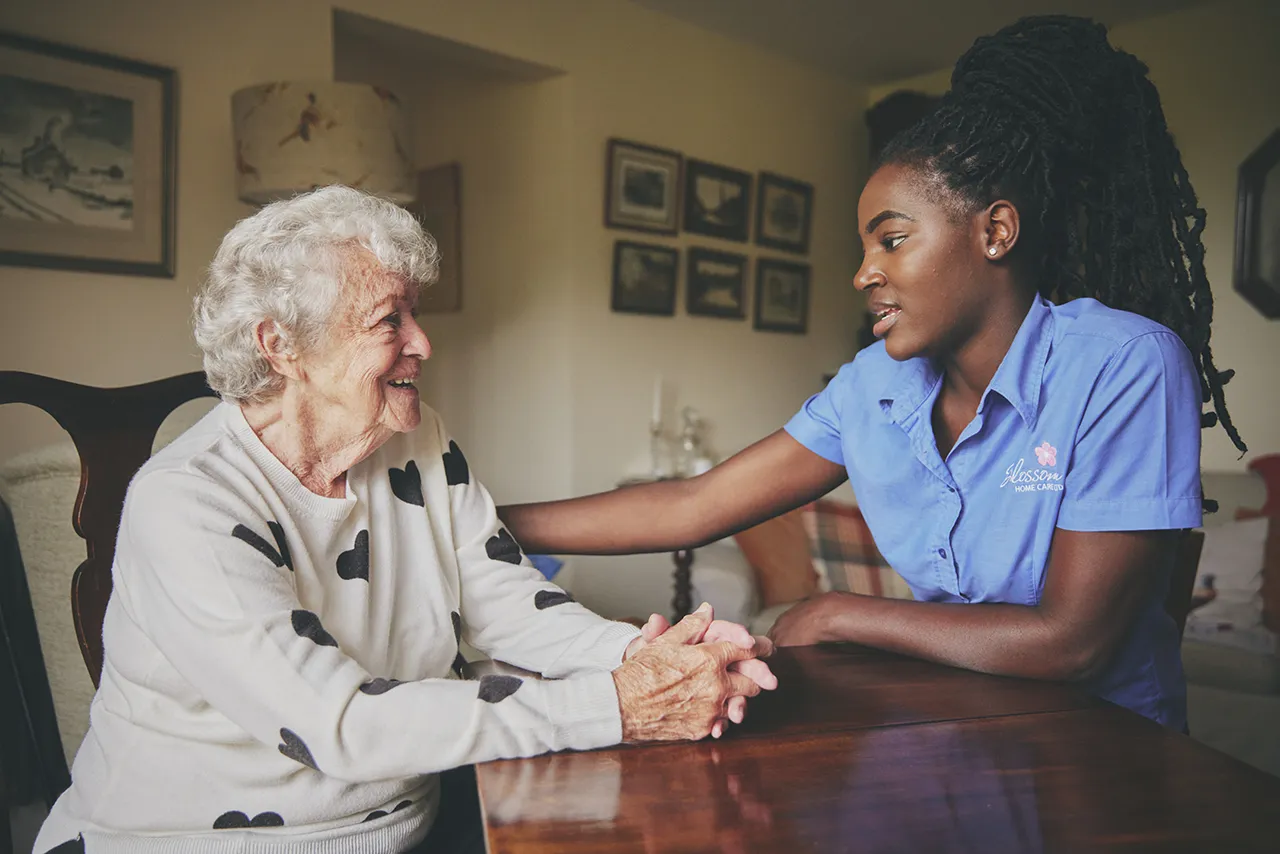
At Blossom, we take the safety and security of our clients seriously, which is why we train all of our carers to spot when elderly people are being taken advantage of and escalate their concerns with the office teams via a phone call and a form on the Blossom Home Care app. While very few victims of elderly scams ever report or even confess to their families when they have been deceived, our carers foster open and supportive relationships with their clients in the hope that they might disclose anything that is distressing them.
For more information about how Blossom protects its elderly clients from scams, or to discuss the personal care needs of your parent or relative with one of our care coordinators, please contact us today or locate your nearest branch via our office finder application.