
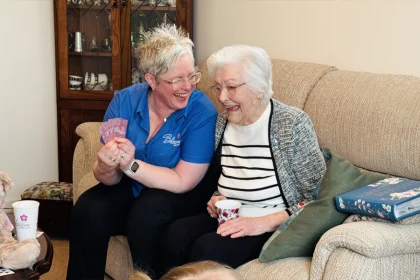
As we get older, opportunities to form new friendships and companionships become increasingly limited. Without the structure of attending the office or taking children to school, we put ourselves at risk of social isolation and the health detriments that come with it.
At Blossom, we recognise the importance of companionship for our elderly clients and strive to provide companionship to those who need it through our home care services. In this article, we will address why companionship is important for older generations, as well as the physical and mental health benefits that come from maintaining an active social life.
Why Is Companionship Important for Elderly People?
Friendship and companionship are essential parts of the human experience. From childhood, we are encouraged to form friendships, find those who share our interests and develop our first social network. As we move into adulthood and spend more time working behind desks and screens, the importance of companionship deepens, promoting social lives outside work and providing us with essential support systems.
When we reach retirement age, friendships and companionships become more important than ever, especially for elderly people without partners, families or who otherwise live alone. Even those with spouses and support systems can find themselves suddenly isolated following the death of loved ones or the development of mobility issues that prevent them from leaving their home.
A recent report published by Age UK revealed that 940,000 people over the age of 65 are often lonely, with 270,000 going a week without speaking to family or friends. Were these statistics not troubling enough, the report went on to link loneliness in older adults with an increased risk of stroke (32%), coronary heart disease (29%) and dementia (25%). With nine in ten older adults suffering from depression due to loneliness, it is clear that companionship is as important for the physical and mental health of our elderly people as their emotional wellbeing.
Benefits of Companionship
From decreasing the chance of developing life-limiting illnesses to keeping your body and mind active during your later stages of life, there are numerous benefits of companionship for older adults. These include:
- Emotional wellbeing
Everyone has good days and bad days, but without someone to confide in about the challenging aspects of life, negative feelings and experiences tend to linger, making it difficult to start each day anew. By talking through your feelings or sharing your experiences with a companion, you can process your emotions and gain new perspectives, unshackling yourself from negative thoughts and improving your outlook on life.
- Physical wellbeing
An article published in the National Institutes of Health found that prolonged periods of isolation can lead to ‘solitude inertia’, making it more difficult for lonely individuals to seek companionship or participate in the activities they once enjoyed. This is especially detrimental for elderly people without occupations or other responsibilities to keep themselves active, as this cycle of solitude could prevent them from participating in even everyday tasks, such as cleaning, cooking, or getting dressed each morning.
By having a companion to practice your hobbies with or encourage you to explore new pastimes, you can maintain an active lifestyle while sharing your passions with someone else. Furthermore, an article in the Journal of the Royal Society of Medicine suggested that companionship could benefit the physical health of those with disabilities, demonstrating the crucial importance of companionship for the elderly population.
- Preventing cognitive decline
Without the social interactions and mental stimulation provided by friendship and companionship, our brains are more susceptible to structural changes, such as inflammation caused by increased stress hormones and reduced brain matter in areas vital for memory and cognition. This places older adults at a higher risk of developing neurological disorders, such as dementia or strokes, which can limit their ability to continue leading healthy or independent lives.
By having a companion with whom you can share interests, stories, or even chat about your day, you can keep your mind engaged and strengthen your cognitive fitness against neurological disease.
How Blossom Provides Companionship Care at Home
While many home care providers limit their services to essential hygiene, nutrition and medicinal tasks, at Blossom, we understand the importance of companionship for our elderly clients and pride ourselves on our holistic approach to home care support. Rather than send the closest carer to your home for a cursory check-in, our care coordinators schedule your visits for a minimum of 50 minutes with carers who share your interests.
In addition to sending familiar faces to your door each day, our companionship care at home services include:
- Providing company and engaging you in conversation
- Participating in your favourite hobbies and activities
- Accompanying you to visit family and friends
- Organising day trips and outdoor activities
- Creating opportunities for you to meet new people
For more information about the role of companionship in our home care provision, or to discuss your hobbies and interests with one of our care coordinators, please contact us today or find your local branch to start putting together your bespoke home care plan.