
When we think about care, nursing homes often come to mind. After all, they’re popular options for people who need round-the-clock support and are no longer able to look after themselves. But moving into a residential home, which can disrupt your routine and cause a lot of stress, isn’t for everyone. Thankfully, there are a number of alternatives to care homes to suit different people.
What Are the Alternatives to Care Homes?
Alternatives to care homes allow those in need of care to fulfil their medical, practical and personal needs outside a residential home. Depending on your unique circumstances, you may feel more comfortable choosing from five main other options, which all have their own pros and cons.
Moving in with Family
As an alternative to a care home, moving in with family is often the first idea that comes to mind. While this is the least expensive option and may work for families who are capable of providing the correct level of care, moving in with relatives can create stress and tension. We would recommend trialling the arrangement before making any long-term commitments. In this situation, it’s important to set boundaries early and establish how expenses will be covered and who will be responsible for your care.
Assisted Living
Assisted living, also called sheltered housing, consists of supervised private quarters with shared facilities and communal areas. Here, you have more space and independence than in a nursing home, while benefitting from 24-hour emergency alarms and house managers. Assisted living is good for couples and people who need a little extra day-to-day support. Of course, the downside is that residents are usually required to comply with community rules, such as no pets, and these places generally aren’t suitable for people with more complex needs.
Retirement Village
Retirement villages are great alternatives to care homes for the elderly. As secure residential communities for people over 55, they are designed to combine independent living with access to social activities and on-site care support. A typical retirement village offers homes to buy or rent and features amenities like gyms, spas, restaurants and gardens. This usually comes with a hefty price tag, as the cost covers the maintenance of communal areas and on-site care and security staff.
Home Care
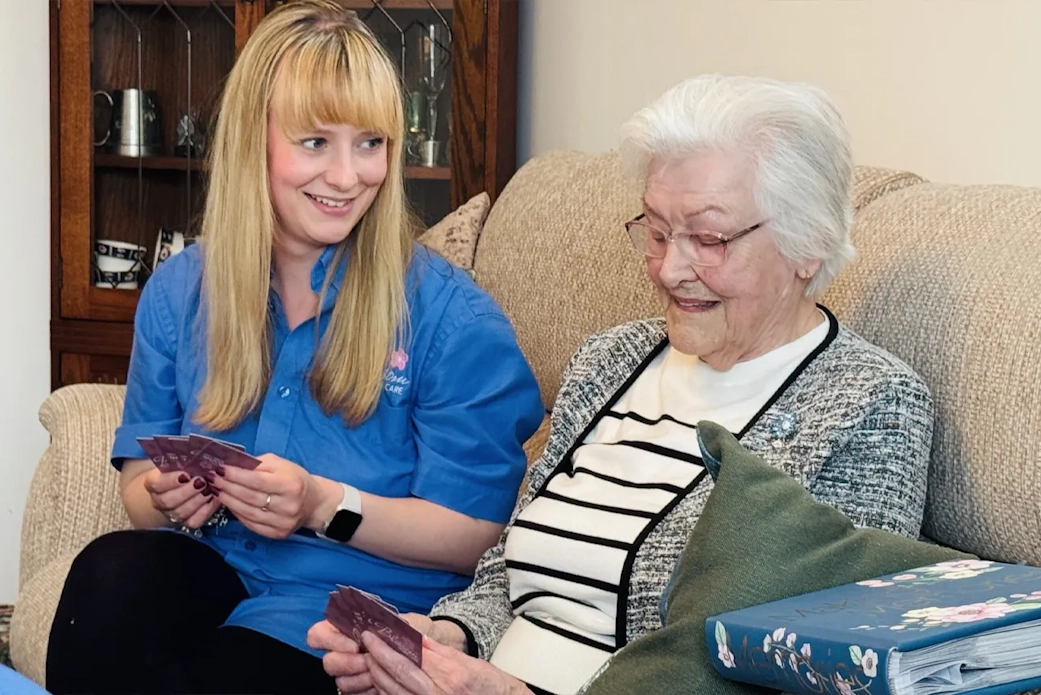
For people who need support but wish to stay in their own home, domiciliary care or live-in care is the perfect solution. This is where carers come to you to complete agreed duties, such as helping you wash, dress, take medication, prepare meals, do housework and run errands. Whether you choose domiciliary care (daytime visits) or live-in care (24/7 companionship and support), home care is a viable alternative to a nursing home.

Benefits of Home Care as an Alternative to Care Homes
There are many upsides to choosing domiciliary care or live-in care as alternatives to nursing home care. While they share a common goal (helping you live your best life in the comfort of your own home), they have slightly different benefits.
Benefits of Domiciliary Care
- High level of independence — being at home means that you can continue to do many tasks for yourself, maintaining your independence for as long as possible
- Cost-effective — by keeping our costs as low as possible while still properly compensating our carers, domiciliary care often proves to be a more cost-effective care solution
- Scalable solution — the beauty of domiciliary care is that you can start small and adjust the frequency and duration of your care visits as needed
Benefits of Live-In Care at Home
- Fully flexible routine — there’s no need to wait when you have a constant companion who can assist with tasks at any given time*
- Support for couples — a full-time carer can see to both people’s needs at once, while you sit back and simply enjoy each other’s company
- Freedom to keep pets — our dedicated carers can also look after your furry friends, removing the maintenance aspect of pet ownership but preserving your bond
*Please note that live-in carers are entitled to rest periods and should not be disturbed more than two times through the night.

Blossom as a Care Home Alternative
We hope that you found this list of alternatives to nursing home care helpful. If you or a loved one begins to show signs of needing some extra support at home, there’s a lot to consider before making what is undoubtedly a massive decision.
With Blossom, you can reap all the benefits of staying in a care home while enjoying the freedom and familiarity of bespoke support in the place you feel most comfortable. Our award-winning carers are fully invested in every aspect of your happiness and wellbeing, and passionate about helping you to continue to thrive in your own home. Please contact your nearest Blossom office to begin your bloomin’ good home care journey today.