
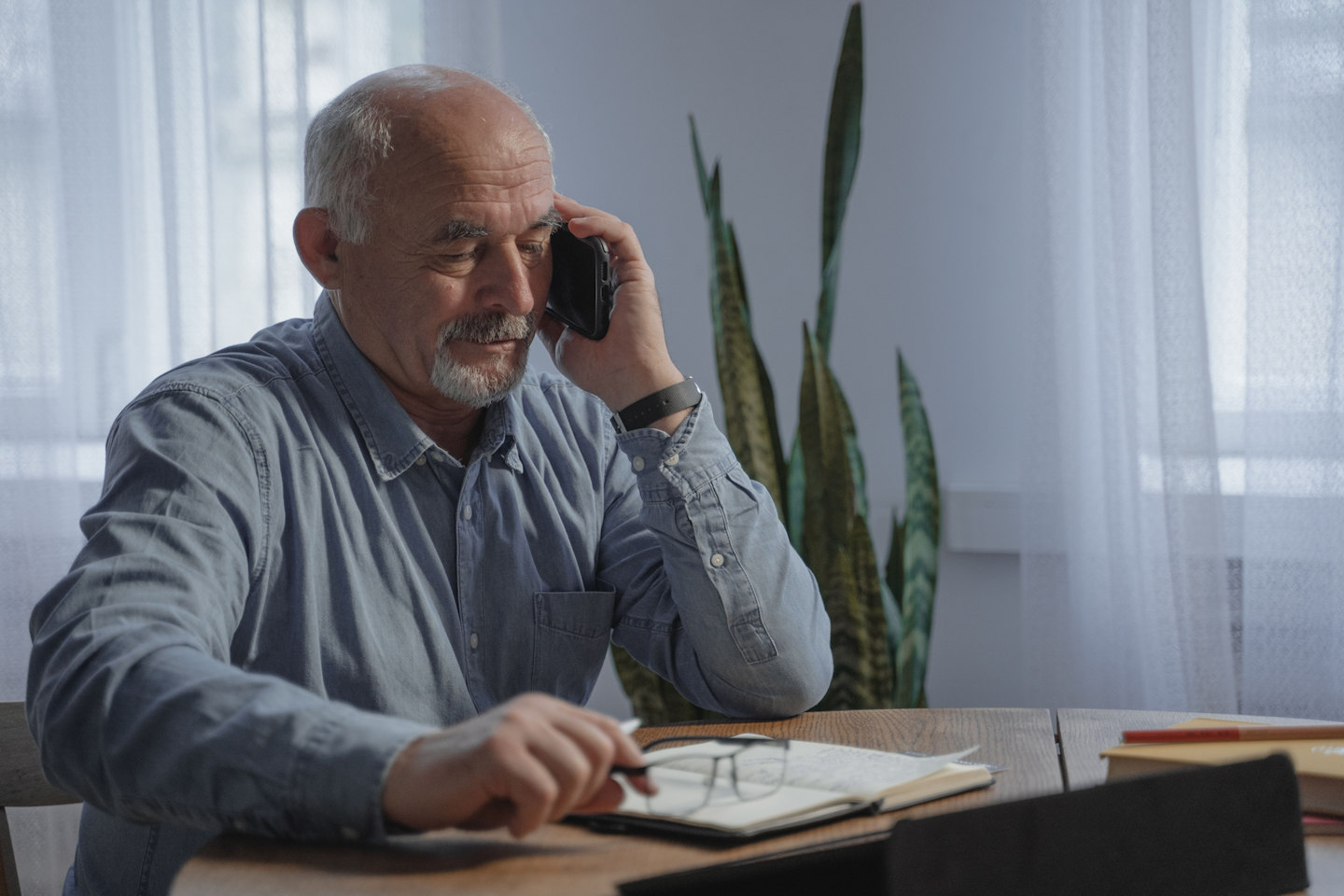
Modern mobile phones are incredibly convenient and innovative devices; however, the wide variety of designs and smart features available can make it difficult to choose the right option for yourself or an elderly loved one. In this article, we will offer our insights on what to consider before buying a mobile phone for an elderly person, offering examples of popular devices before discussing the benefits that phones can bring to the lives of older generations.
What to Consider Before Buying Mobile Phones for Elderly People
When choosing a mobile phone for yourself or an older relative, it is important to think about how the device will be used on a daily basis. While some older adults may be satisfied with a reliable phone for making and receiving calls, others may be interested in more advanced features such as video calls, internet access, social media or lifestyle apps.
The physical needs of the user should similarly be considered before you make your purchase. Healthcare conditions such as arthritis, dementia and Parkinson’s can affect dexterity and coordination, making phones with small buttons or touchscreens difficult to use. On the other hand, individuals with poor eyesight may require larger screens in order to read messages or navigate menus.
Before you start browsing mobile phones for elderly people, we recommend reviewing the following attributes to ensure you choose a model that meets your physical and communication needs:
Screen size
Larger screens allow for bigger text, clearer menus and easier navigation, which is essential for individuals with impaired eyesight. Many modern smartphones allow their users to adjust font sizes and brightness settings, improving accessibility while minimising eye strain. However, it is important to balance screen size with comfort, as some larger devices may be difficult to hold securely.
Button size
For older adults with arthritis, tremors or reduced hand strength, button size is an important consideration. Phones with large and raised buttons are easier to operate and reduce the likelihood of accidental key presses.
Functionality
Striking a balance between advanced features and ease of use is another key consideration when choosing mobile phones for elderly users. While features such as photography or browsing the internet may be appealing, complex interfaces or an overabundance of apps can make the device difficult to use and distract from its primary purpose: staying connected with family and friends.
Sound quality
Phones with loud ringtones, adjustable call volume and high-quality speakers can make conversations much easier for adults with hearing difficulties. Some devices are even compatible with hearing aids, reducing their radio frequency interference to enable clearer sound transmission.
Big-Screened Mobile Phones
Mobile phones with larger screens provide a more accessible and comfortable experience for older users. Their bigger displays make messages and menus easier to read, while the size and spacing of their icons prevent users from accidentally tapping on the wrong app. Big mobile phones for the elderly are also ideal for keeping users connected with their family and friends, offering clearer visuals when video calling or viewing images shared through social media apps.
Some of the most popular big-screened mobile phones include:
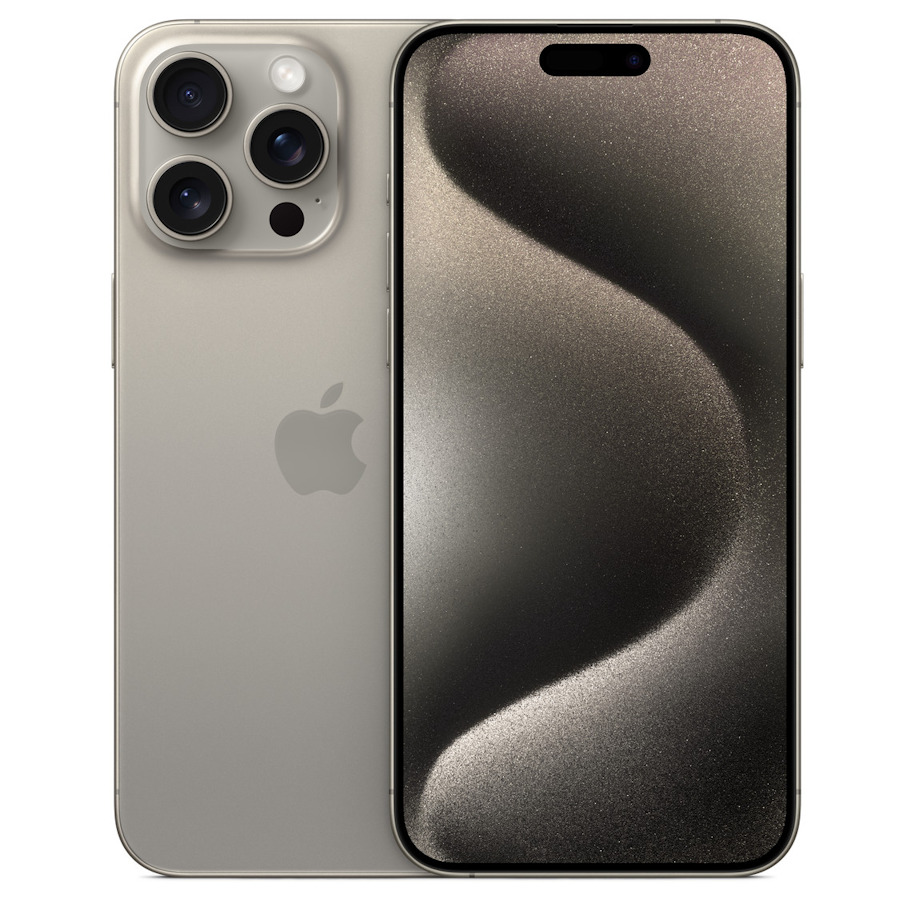
iPhone 15 Pro Max
With its 6.7-inch display, the iPhone 15 Pro Max is among the largest devices on the market, delivering strong brightness and clarity for users with declining vision. Like other Apple devices, this model offers numerous accessibility features for visual, hearing and mobility needs, including adjustable text size, screen magnification, hearing aid compatibility and voice control via its virtual assistant.
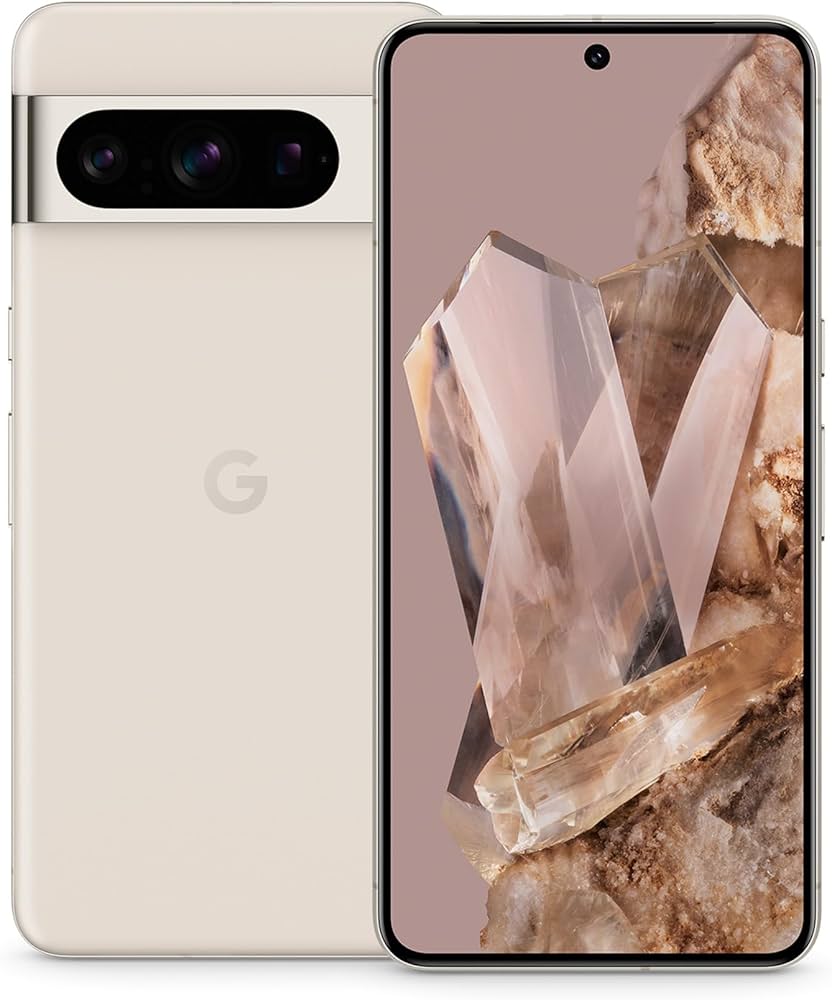
Google Pixel 8 Pro
The generous display of the Google Pixel 8 Pro is paired with an accessible Android interface to provide a seamless experience to older adults facing visual and dexterity challenges. Its high-resolution 6.7-inch screen is ideal for reading and navigation, while its range of accessibility tools includes audio enhancements, live captioning, dictation and magnification settings.
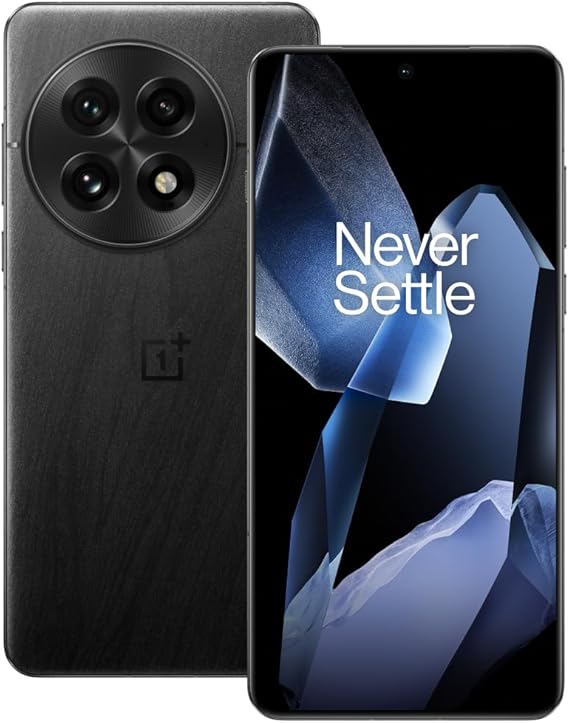
OnePlus 13
The slightly larger 6.8-inch screen of the OnePlus 13 boasts smooth visuals and highly customisable settings that can be tailored to its specific user. In addition to its screen brightness, font size and icon adjustments, its touchscreen is highly responsive to user inputs, providing a ‘snappier’ and more reliable experience.
Big-Buttoned Mobile Phones
Although touchscreen smartphones dominate the market, many older adults still prefer the simplicity of traditional button-operated devices. Recognising the need to accommodate less dexterous or technologically confident users, several manufacturers have continued to produce phones specifically for elderly users, incorporating larger keys, simplified menus and emergency assistance features that support independence and safety.
Some of our favourite big-button mobile phones for the elderly include:
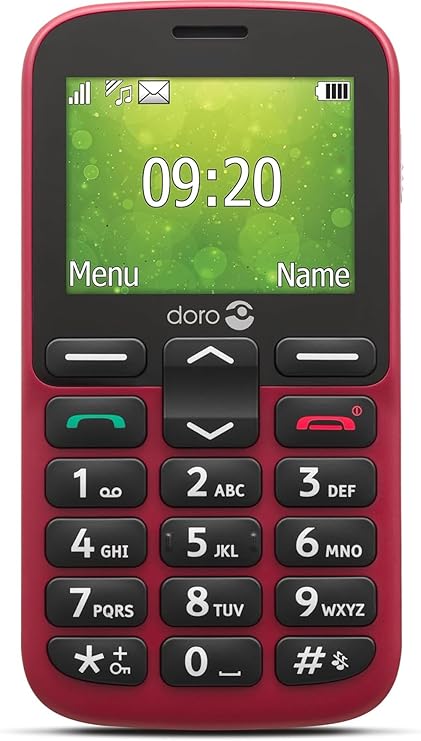
Doro 1380
Designed with seniors in mind, the Doro 1380 features large and generously spaced buttons that make dialling and texting much easier for users with weakened motor control. In addition to its clear display and loud audio, the device has programmable assistance buttons that can alert family members or carers in the event of an emergency.
TTfone TT220
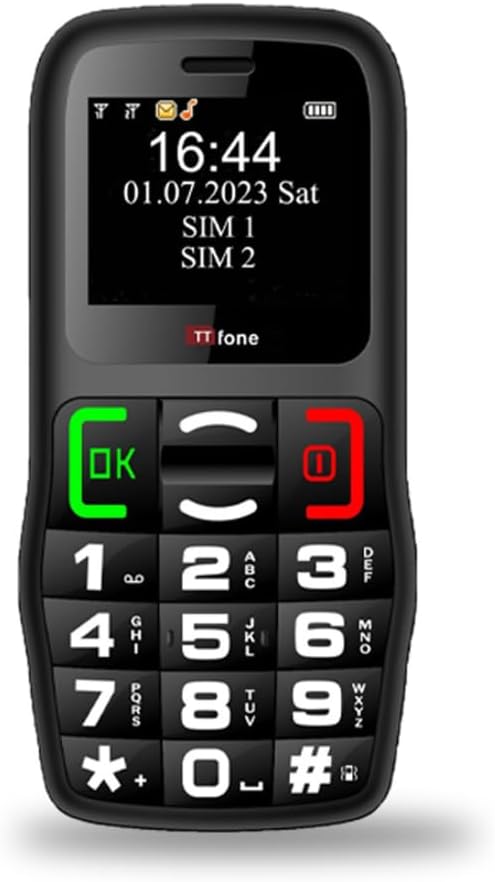
The ergonomic design of the TTfone TT220 allows the device to sit comfortably in your hand, while its oversized buttons are clearly labelled to enhance their usability. Its simplified menu is perfect for accessing contacts or reading messages, while the customisable emergency button allows users to contact their loved ones whenever assistance is needed.
Nokia 2660 Flip
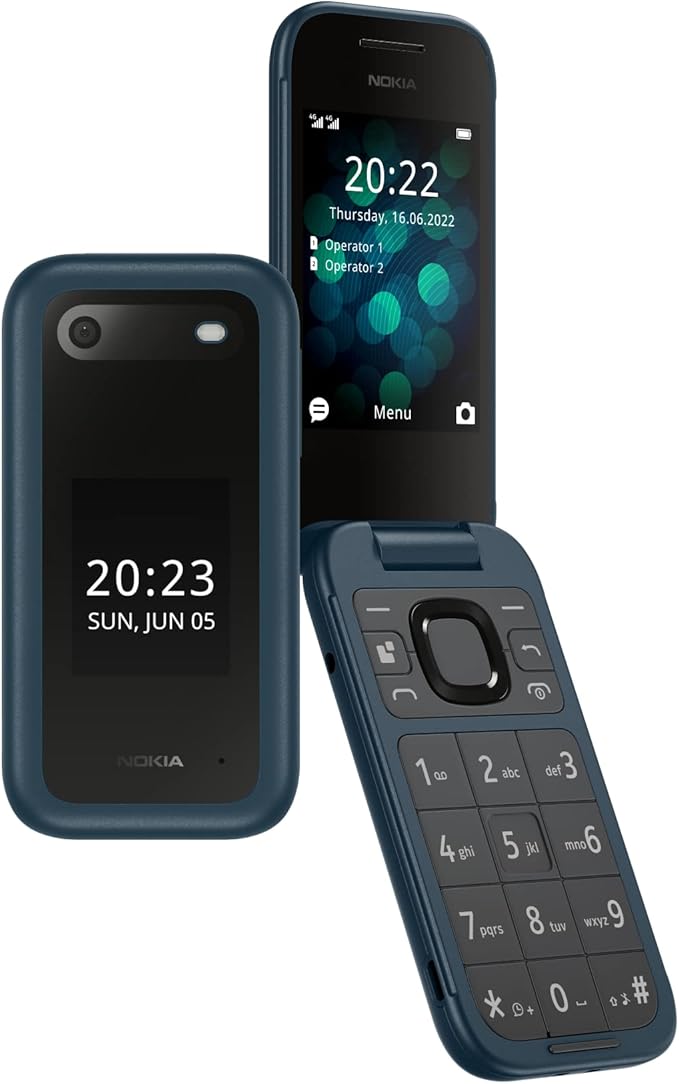
Combining classic design with subtle modern enhancements, the Nokia 2660 Flip offers a straightforward user experience alongside some useful updated features. Its large physical buttons are highly responsive, while its flip design prevents accidental calls and increases the durability of the device. Despite having no internet connectivity, its 4G support improves call quality, making communication with loved ones clearer and more reliable.
Lightweight Mobile Phones
While big mobile phones for elderly users can support visual or mobility issues, their size can be cumbersome for calls on the go, causing some users to leave them at home and defeating their purpose. Rather than weighing down their users, lightweight mobile phones are more practical for many older adults, with their compact design making them easy to carry in a pocket, handbag or coat. Despite their small size, many lightweight phones still feature clear displays, accessible controls and reliable battery life, ensuring elderly users always have a means of contacting someone in an emergency.
When portability is a priority, we recommend the following devices:
Nokia 106
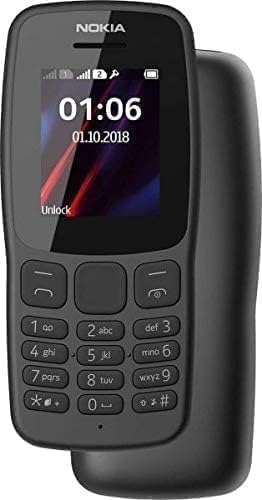
Weighing in at a little over 70g, the Nokia 106 is ideal for older users who are primarily interested in making and receiving calls. Despite its compact design, its tactile keys and straightforward menu make it easy to use for elderly people, while its long battery life provides reassurance that the phone will remain charged throughout the day.
Nokia 6310
The traditional design of the Nokia 6310 has been subtly enhanced for modern models, incorporating a larger colour display and raised buttons, while remaining lightweight and comfortable to carry. Its impressive battery life allows the device to operate for several days between charges, while its simple navigation and clear sound quality are perfect for adults experiencing cognitive decline.
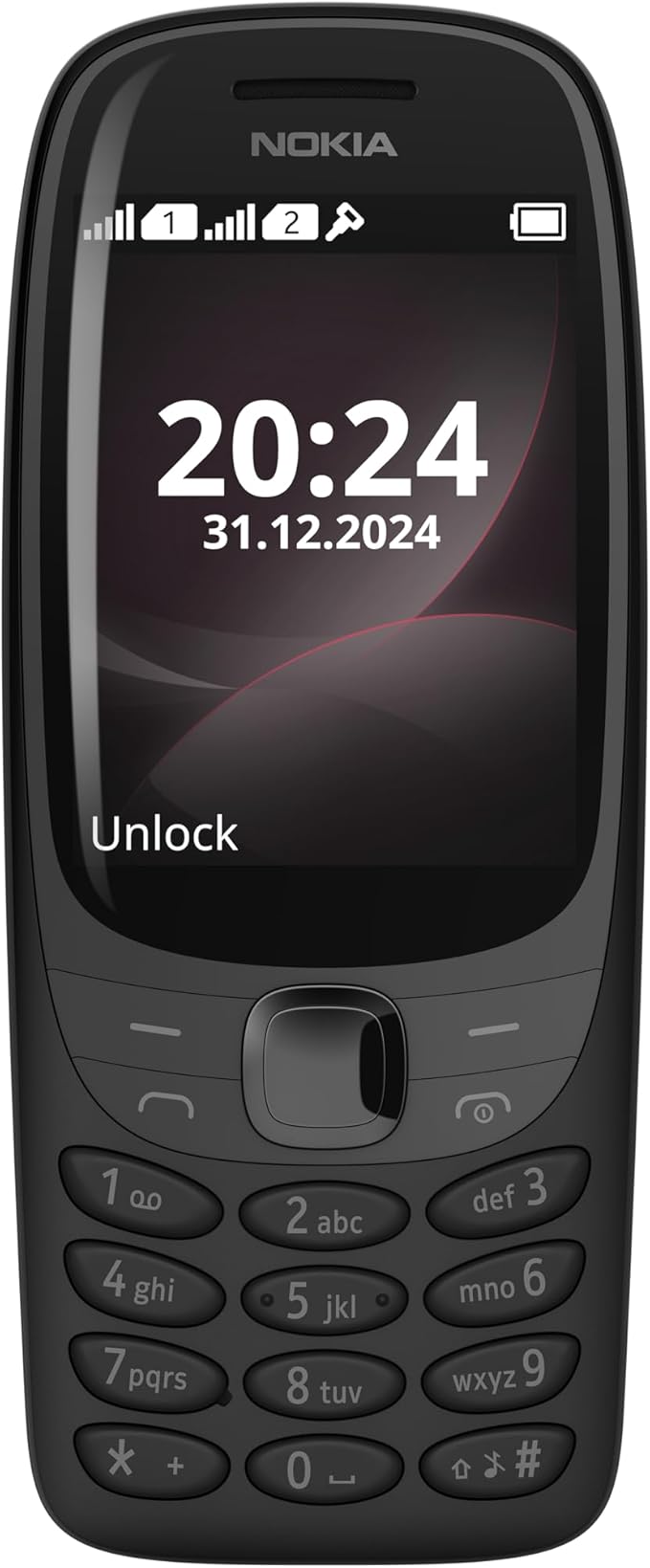
Samsung Galaxy S24
For a modern smartphone experience without the bulk, the Samsung Galaxy S24 strikes a balance between portability and functionality. Its smaller-than-average 6.2-inch display makes it easier to hold and carry on your person, while its range of accessibility features, such as voice assistance and hearing aid compatibility, is well-suited to elderly users who want to stay connected with family and friends.
Durable Mobile Phones
Accidents happen, from spilling tea to dropping a phone onto concrete, which is why durable devices can be an excellent choice for older adults who may be more likely to damage their devices through regular use. Rugged phones are specifically designed to withstand impacts, dirt and water, as their reinforced screens maintain their performance even in challenging conditions.
For accident-prone older adults, we recommend the following mobiles:
Nokia XR20
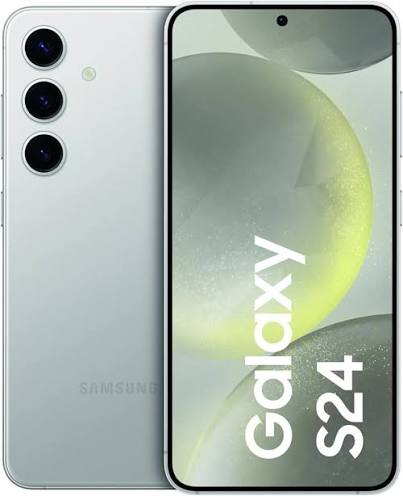
For military-grade toughness with mainstream functionality, the Nokia XR20 remains unique in the mobile phone market for its durable yet accessible design. Its large 6.7-inch display is manufactured from Gorilla Glass, providing protection against knocks and drops without compromising visibility while texting, using social media apps or taking video calls.
Ruggex Rhino Quest
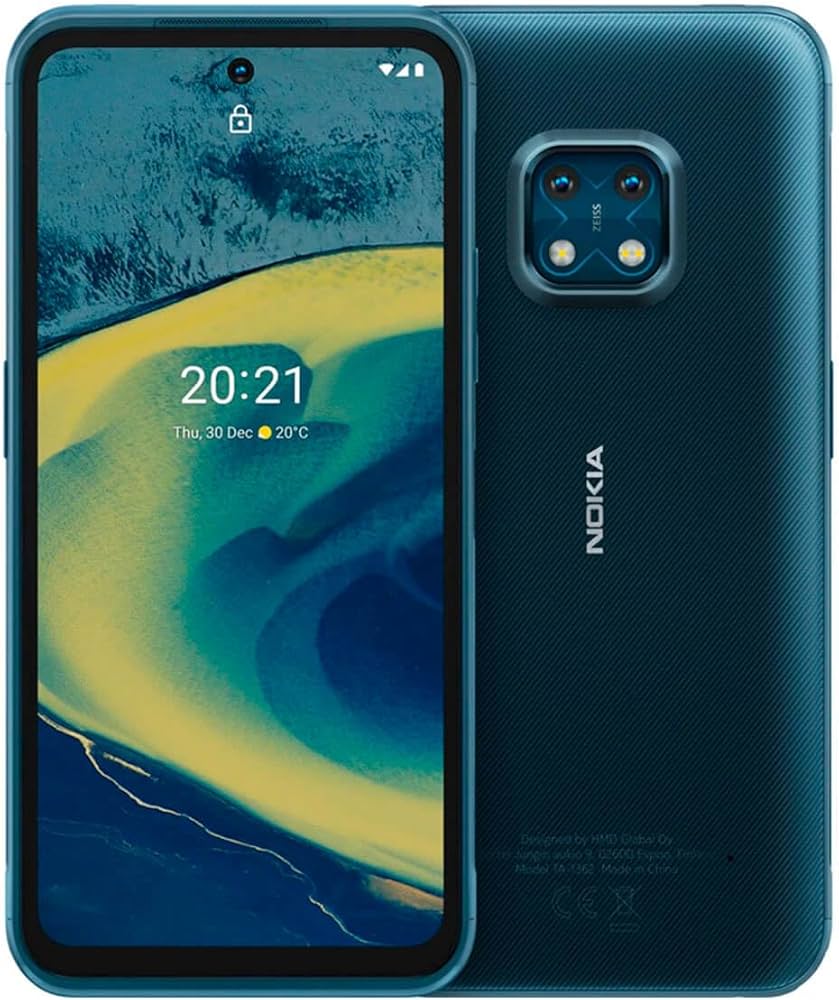
Encased in a reinforced outer shell, the Ruggex Rhino Quest is built to withstand rough handling and extreme weather conditions, making it ideal for elderly users who lead active lifestyles. Its toughened glass screen and airtight casing protect it from dirt or moisture damage, while the intuitive interface ensures the phone is easy to navigate.
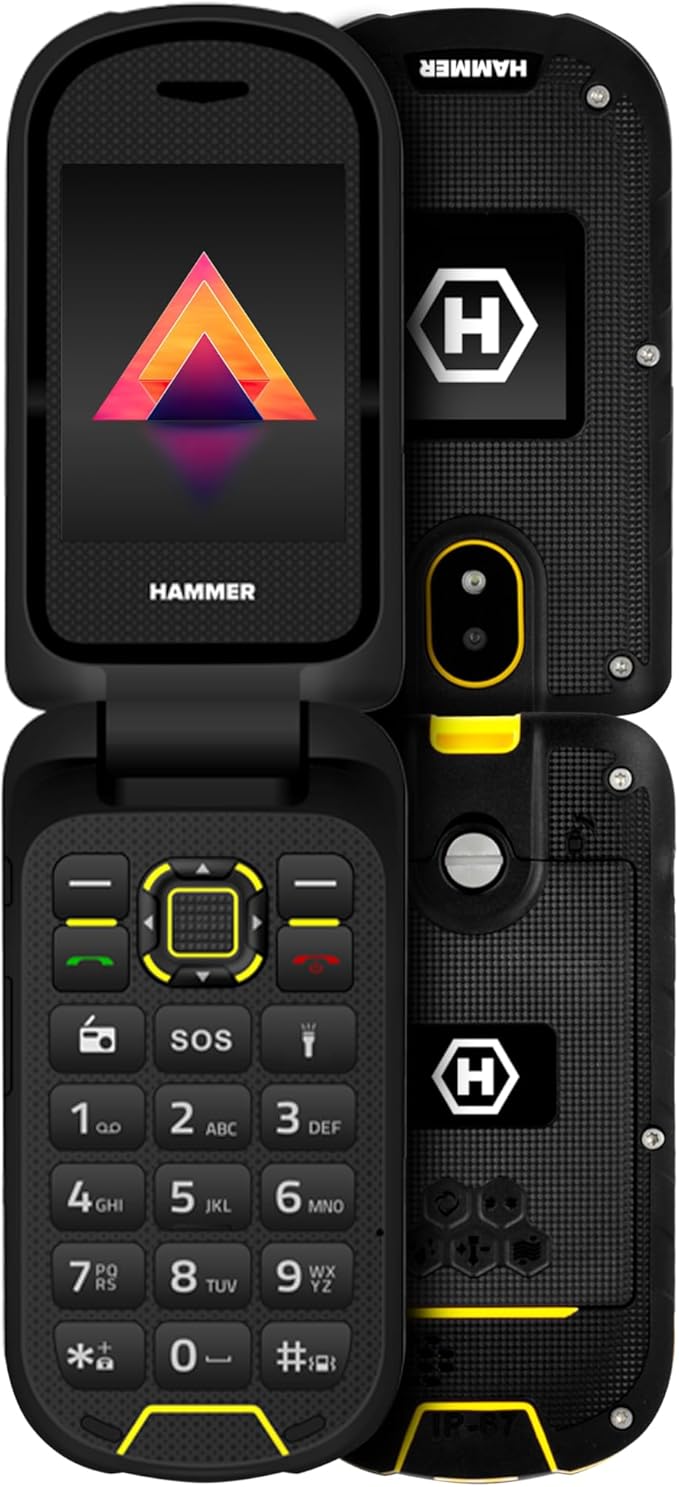
Hammer BOW
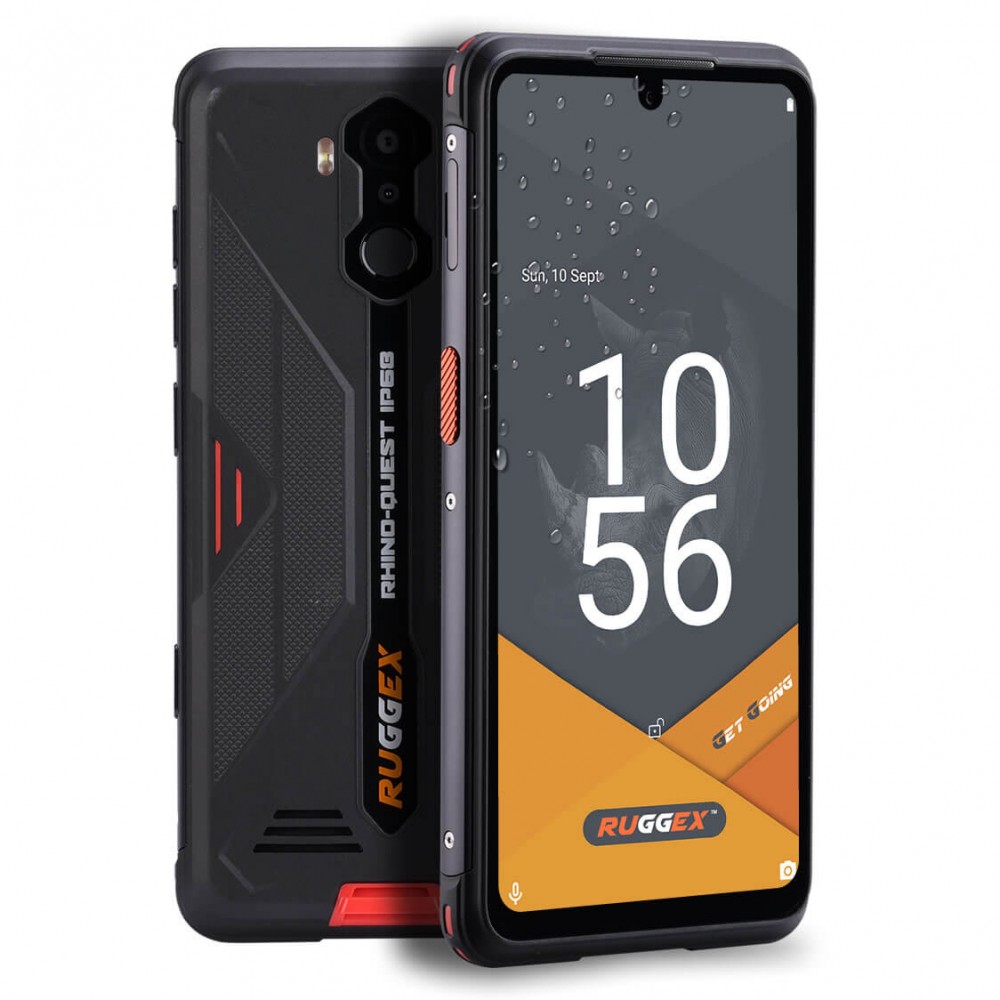
While it may resemble a traditional flip phone at first glance, the Hammer BOW features a robust outer casing that protects against drops, scratches and even water immersion. Its physical keypad is more tactile than similarly rugged touchscreen devices, while its compact folded form can be easily slipped into your pocket or bag, so you can comfortably carry it wherever you go.
How Mobile Phones Benefit Elderly People
From staying connected with family and friends to keeping up with local and international news through social media and other apps, mobile phones for elderly people can significantly enhance their connection and awareness of the wider world. Whether at home, in the garden, or out and about, having a mobile phone close at hand gives older adults the freedom to lead their lives, safe in the knowledge that they can contact their loved ones should an emergency arise.
Some of the benefits of elderly people having mobile phones include:
Staying connected
Mobile phones enable older adults to communicate with family and friends in numerous ways, such as through phone calls, text messages, group chats and even video calls on devices with cameras. Maintaining regular communication through these channels is crucial for eliminating feelings of loneliness and isolation, which are among the greatest mental health concerns for our elderly population.
Staying informed
Many modern smartphones feature comprehensive news, weather and healthcare apps that provide users with immediate access to important information about the world around them and their own wellbeing. For elderly users, these tools can foster a greater sense of awareness and connection while empowering them to live more independently.
Improving social life
By enabling location sharing, modern mobile phones allow elderly people to discover groups, activities and events taking place in their local area. This can aid their engagement with like-minded older individuals in their community, encouraging them to share their hobbies or explore new interests by joining groups that appeal to them.
Maintaining independence
By having a mobile phone on their person at all times, older adults can confidently navigate the outside, safe in the knowledge that they can call for help in an emergency and stay reachable wherever they are. With advancements in maps and transport apps, such as Trainline or Uber, elderly individuals can manage journeys without relying on others.
Stay Connected with Support from Blossom
At Blossom, we understand the value of maintaining connections between our clients and their loved ones while promoting the independence of our elderly population by embracing this new technology. By tailoring our support to the needs of each client, our carers encourage older adults to engage with their wider community via social media, while keeping their loved ones updated on their wellbeing through the Blossom Home Care app.
For more information about the personal care we can provide for you or your loved ones, please get in touch with us today to speak with your local care coordinator.