
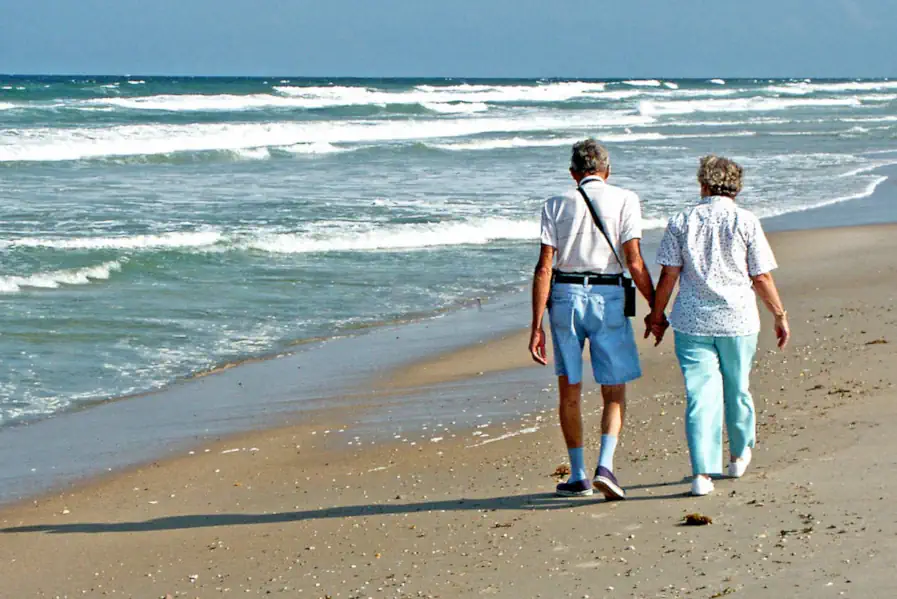
As nice as warm weather can feel after a long winter, our health can suffer in high temperatures. Dehydration and extra strain to regulate our internal temperature can trigger heat exhaustion, fatigue, dizziness, nausea, headaches and — in severe cases — heatstroke, which requires emergency medical care. These conditions are more acute in older people, whose bodies must work harder in the heat. With this challenge in mind, here is Blossom Home Care’s heatwave advice for the elderly.
How to Keep the Elderly Cool At Home
While most British homes are not fitted with air conditioning or other temperature controls beyond a heating system, there are a few ways to keep the elderly cool in hot weather.
Close blinds
By closing your blinds, you can prevent sunlight from entering your home and heating surfaces, significantly reducing the internal temperature.
Open windows
Early in the morning or later at night, when the air outside is cooler than the air inside your home, you can open windows to promote air flow.
Stay hydrated
Drinking water is an important way to hydrate and cool down an elderly person during a heatwave. By replenishing fluids lost through sweating, you can prevent heat exhaustion.
Use a damp cloth
Applying a damp cloth to the forehead or pulse points, such as the neck or wrists, is an effective way to help elderly people through the cooling effect of evaporation.
Refrigerate medication
Refrigeration can protect some medications if the label advises cold storage. However, if you are concerned about your medication in hot weather, you should contact your pharmacy for advice.
How to Keep Cool When Out and About
Keeping the elderly cool in hot weather is more challenging outdoors than indoors, but following our top heatwave advice for the elderly should help to manage temperatures.
Avoid midday
The sun is hottest between 11am and 3pm, so it’s best to avoid going outside during these peak heat hours.
Dress appropriately
For maximum air circulation, opt for loose-fitting clothes made from breathable fabrics such as linen, cotton and moisture-wicking synthetics.
Apply suncream
While applying suncream does not lower the temperature of your skin, one with a high enough Sun Protection Factor (SPF) will help to prevent sunburn and, in turn, heatstroke.
Carry a water bottle
We lose bodily fluids faster in warmer weather due to sweating, so it’s vital to drink water throughout the day. As a constant reminder to hydrate, keep a water bottle with you
What Are the Signs of Overheating?
It’s important to act quickly if you suspect you are overheating despite taking precautions either indoors or outdoors. Common symptoms include:
- High temperature
- Sweating
- Heat rash
- Thirst
- Feeling or being sick
- Muscle cramps
- Headaches
- Fatigue
- Dizziness
If you are dehydrated and overheating, you should rest in a cool, dark place and drink lots of water. This is how to cool down an elderly person most effectively, but if your symptoms worsen, call NHS 111 for advice.
Keeping the Elderly Cool in Hot Weather with Blossom Home Carers
Older people are more vulnerable to the health effects of heatwaves, but due to illness or general frailty, may be less able to keep cool in the ways discussed above. If you need some support to manage around the house or out and about in hot weather, Blossom’s bespoke care plans consider every aspect of your individual wellbeing.
Our compassionate carers know how to keep elderly people cool in a heatwave while promoting independence and helping them continue to thrive in the familiar surroundings of their own home, come rain or shine. With Blossom’s personal care services, you can take control of your home and hygiene, even at the height of summer.
If you or a loved one would benefit from one-on-one regular home visits, please contact your nearest branch today.